Paris · 18th arrondissement
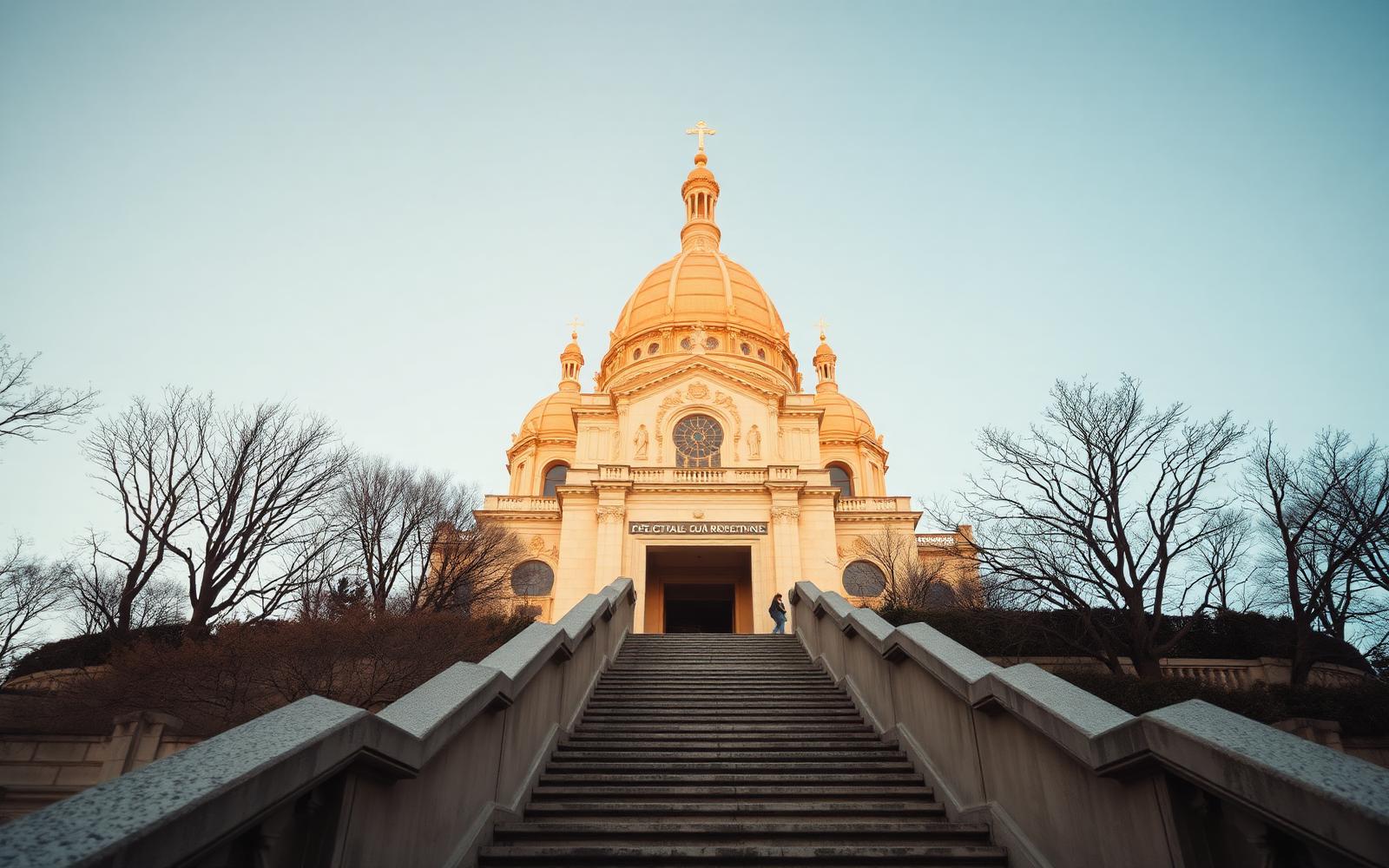
Montmartre, the village at the top of Paris.
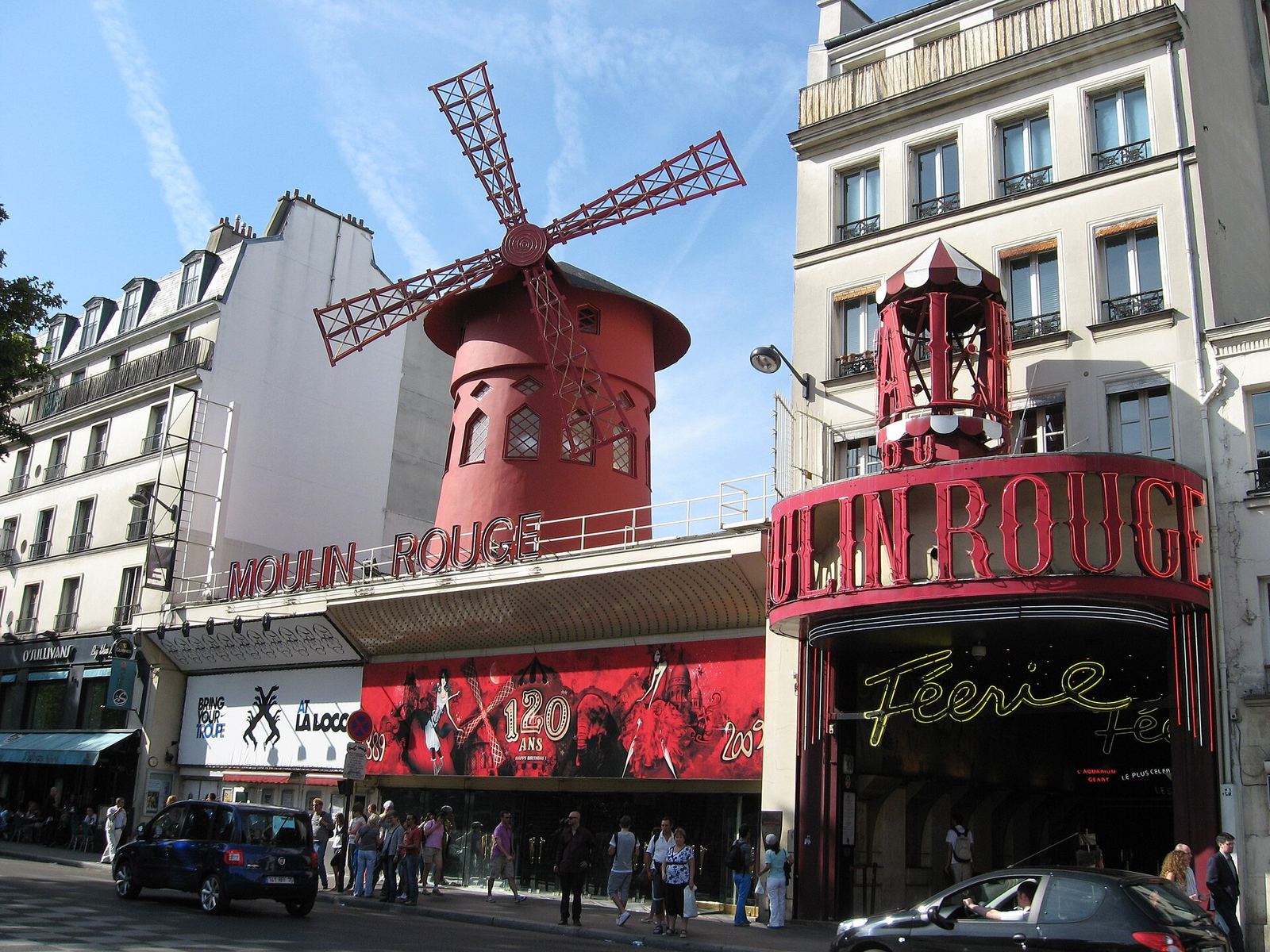
A quiet, independent guide to the Sacré-Cœur, Place du Tertre, the Moulin Rouge and the cobbled backstreets in between. Written for people who want more than a checklist.
A hill, a basilica, and a hundred years of painters.
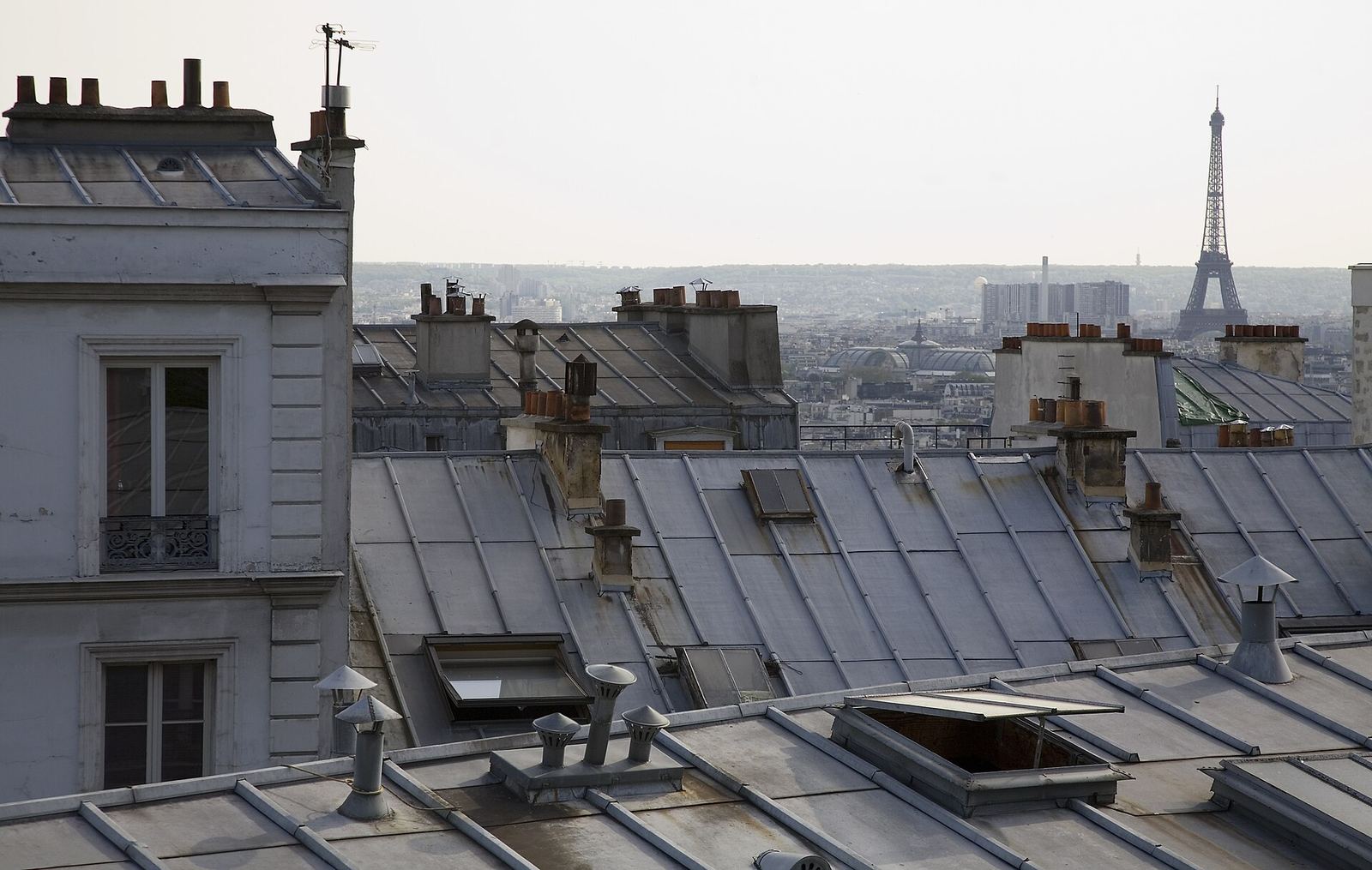
Montmartre sits on a 130-metre hill in the north of Paris — the highest natural point in the city. For most of its history it was a village of vineyards and windmills, stitched to Paris only in 1860.
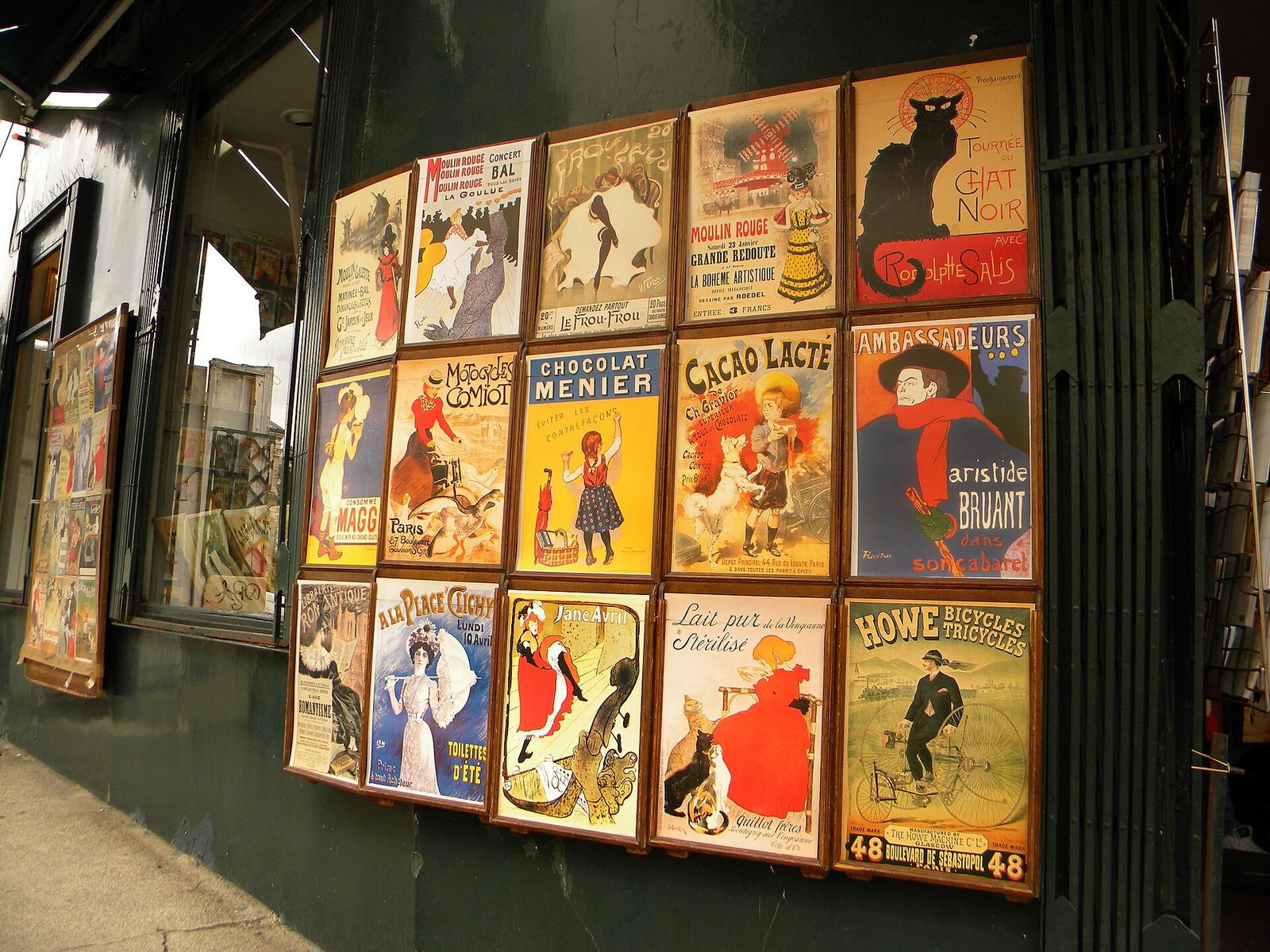
That late arrival is why it still feels different: narrow cobbled streets, small squares, staircases instead of avenues. It's where Renoir, Picasso, van Gogh and Toulouse-Lautrec all lived and worked within a few blocks of each other, and where today's painters still set up their easels at Place du Tertre.
This guide is written for visitors who want to spend a slow day here rather than tick a box — with practical detail on the Sacré-Cœur (yes, "sacre coeur" is often misspelled), Montmartre's museums, and every corner worth the walk.
Planning your visit
- Best time
- Early morning for empty streets, or an hour before sunset for the light.
- Getting here
- Metro Abbesses (Line 12) or Anvers (Line 2). The funicular runs from Anvers.
- How long
- Half a day covers the highlights; a full day lets you wander properly.
- Wear
- Flat shoes — Montmartre is stairs, cobbles and hills, not boulevards.